
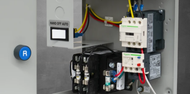
Three-phase motors power equipment in industrial facilities, commercial buildings, and manufacturing operations. However, electrical problems can cause overheating, equipment damage, and unexpected downtime. A phase monitor helps prevent these issues by detecting abnormal voltage conditions before they lead to serious motor problems.
Understanding how this device works can help businesses protect their equipment and maintain reliable operations.
What Is a Phase Monitor?
A phase monitor is an electrical protection device that monitors the voltage and phase conditions of a three-phase power supply. Its purpose is to identify electrical faults that could affect motor performance or damage connected equipment.
When the device detects a problem, it signals the motor control circuit to disconnect or prevent operation, depending on the system's configuration.
These devices are commonly used with industrial motors, pumps, compressors, and other equipment that relies on three-phase electricity.
How Does It Work?
A three-phase electrical system uses three alternating voltage waveforms to provide power to a motor. For proper operation, the voltage levels and phase sequence must remain within acceptable limits.
A phase monitor continuously checks these conditions and responds when something goes wrong.
Depending on the model, it can detect several electrical problems:
-
Phase loss: One of the three electrical phases becomes disconnected or unavailable.
-
Phase imbalance: Voltage levels between phases become uneven.
-
Phase reversal: The phase sequence changes, potentially causing a motor to rotate backward.
-
Overvoltage or undervoltage: The electrical supply exceeds or falls below acceptable voltage limits.
Not every monitoring device includes all these functions, so selecting the appropriate model is important.
Why Is Phase Monitoring Important for Motor Protection?
Three-phase motors are designed to operate with a balanced electrical supply. When that supply becomes unstable, the motor may experience increased electrical stress.
Prevents Damage From Phase Loss
Phase loss, sometimes called single-phasing, occurs when one phase is interrupted. This can result from damaged wiring, blown fuses, or faulty electrical connections.
A running motor may continue operating after losing a phase, causing excessive current and overheating.
A phase monitor can detect this condition and initiate a shutdown before significant damage occurs.
Reduces Problems Caused by Voltage Imbalance
Even when all three phases are present, unequal voltage levels can create problems.
Voltage imbalance may increase motor current and operating temperatures, potentially shortening equipment life.
Monitoring these conditions allows the control system to respond when voltage differences exceed established limits.
Helps Prevent Unexpected Equipment Downtime
Electrical failures can interrupt production, delay operations, and create expensive repair requirements.
By detecting certain electrical faults early, monitoring devices help reduce the risk of motor damage and unplanned interruptions.
Where Are Phase Monitors Commonly Used?
Phase monitoring is useful in applications where reliable three-phase motor operation is essential.
Common applications include:
-
HVAC systems: Protecting motors used in commercial ventilation and cooling equipment.
-
Industrial pumps: Monitoring electrical conditions that affect pumping operations.
-
Manufacturing equipment: Supporting reliable operation of motor-driven machinery.
-
Conveyor systems: Helping protect motors responsible for material movement.
Although applications vary, the goal remains the same: identify electrical problems before they cause additional equipment damage.
Supporting Reliable Motor Control With National Motor Starters
A phase monitor is one part of a complete motor protection strategy. Properly selected starters, overload relays, and other electrical components also contribute to dependable operation.
At National Motor Starters, we manufacture IEC and NEMA enclosed magnetic motor starters for a variety of industrial and commercial applications. With over 50 years of manufacturing experience, we understand the importance of dependable motor control.
Our motor starters are built to UL standards and undergo quality assurance checks. We also offer configurable solutions to meet different electrical requirements.
Explore National Motor Starters to find dependable motor control solutions for your application.